

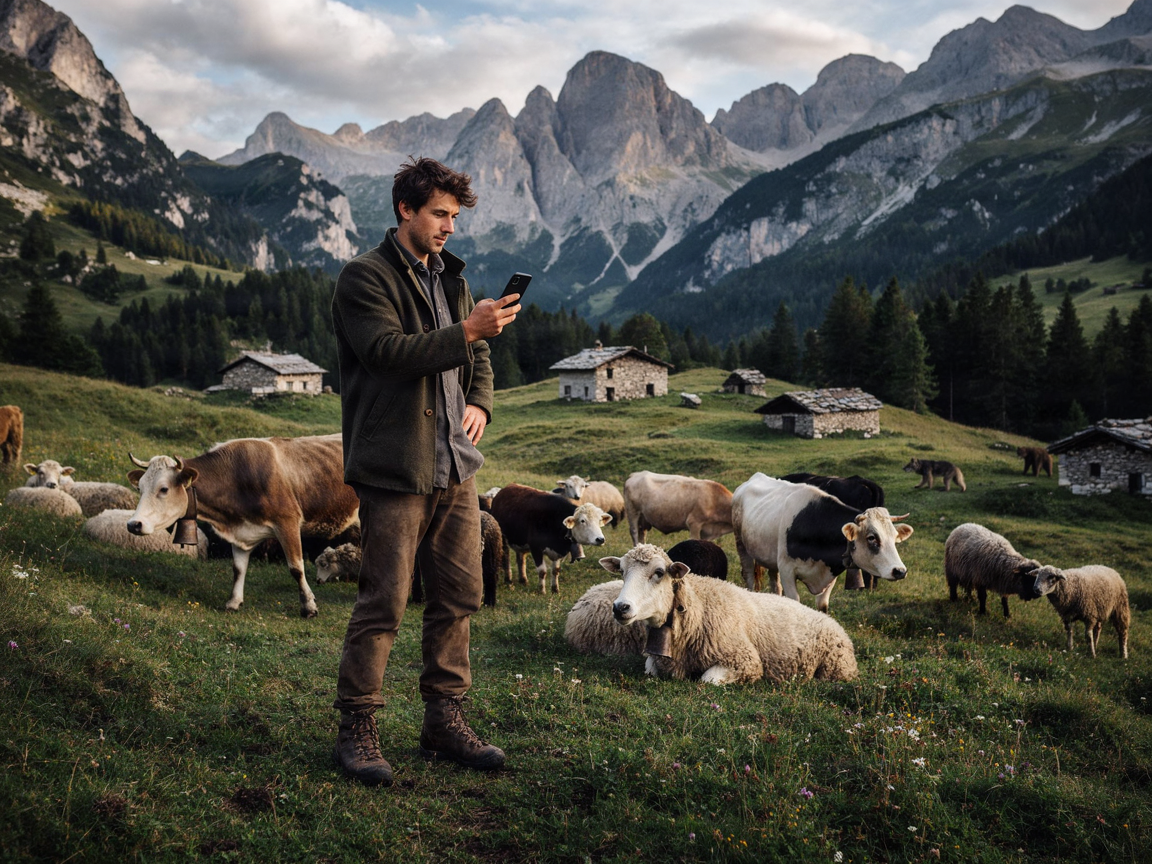
The best cheese in Slovenia cannot be found in any supermarket, high-end deli, or restaurant in Ljubljana. If you want to taste a slice of authentic Tolminc, Bovški sir, or the legendary, pungent Mohant, you have to do something radical: you have to hike up to the high mountain pastures and buy it directly from the shepherd’s hands.
High-altitude alpine pasturing is the beating heart of Slovenia’s green identity, but it is currently facing a silent crisis. From the dramatic valleys of Posočje (Soča Valley) to the iconic peaks of Velika Planina, the traditional shepherd’s life is caught in a tug-of-war between strict European regulations, the return of wild predators, and the temptation to turn historic barns into trendy tourist apartments.
How is Slovenia keeping this ancient tradition alive, and what does the future look like for the next generation of mountain guardians?
🛑 The Legal Paradox: Why You Can’t Buy Mountain Cheese in Town
Visitors are often shocked to learn that despite the Soča Valley producing around 80 tons of premium mountain cheese annually, the route to local grocery stores and restaurants remains legally blocked.
Under current veterinary and administrative laws, cheese production on these high pastures is classified as a “basic agricultural activity.” To sell to restaurants or stores, shepherds would need to jump through bureaucratic hoops meant for massive industrial factories.
- The Reality: The only way to legally experience this culinary gold is to visit the planina (mountain pasture) yourself.
- The Silver Lining: This restriction has accidentally created one of the most authentic, zero-kilometer culinary travel experiences in Europe. It forces a direct, human connection between the traveler and the producer.
🐺 Wolves, Bears, and High-Altitude Hardship
Being a shepherd in Slovenia is far from a romantic postcard idyll. As wildlife conservation efforts succeed, young shepherds face a major challenge: the return of large carnivores (wolves and bears) to the Julian Alps. Managing a herd of 500 dairy cows or sheep on steep, 1,800-hectare terrains while protecting them from predators requires constant vigilance, heavy fencing, and massive physical effort.
Add changing climate patterns, summer water shortages, and isolated cabins with limited electricity, and it’s easy to see why many historic farms choose an easier path: converting traditional shepherd huts (pastirski stanovi) into luxury tourist apartments.
While agro-tourism keeps the property financially viable, if too many huts become vacation rentals, the actual farming dies out—and with it, the cultural landscape that tourists come to see in the first place.
🚀 How to Make Shepherding “Cool” Again: Ideas for the Next Generation
Surprisingly, the scenario is not entirely dark. Slovenia currently has a passionate group of over ten young farmers actively stepping up to learn the craft. To get more young people to trade their laptops for shepherd staffs, the modern planina needs a hybrid blueprint:
1. “Adopt-a-Cow” & “Shepherd for a Week” Programs
Young travelers and digital nomads are craving extreme authenticity. By introducing structured, hands-on volunteer programs, young people can live in the huts, learn the art of cheese-making, and help herd the cattle. Some farms are already renting additional cows for the summer to scale up—opening this to international eco-volunteers bridges the labor gap.
2. Micro-Tourism as a Financial Lifeline
Instead of completely replacing agriculture with tourist beds, the future lies in regulated micro-tourism. Shepherds shouldn’t just sell cheese; they can offer high-value, exclusive experiences—like guided wilderness storytelling, sunrise cheese-tasting workshops, and workshops on traditional alpine survival skills.
3. Digitalized “Smart Farming” in the AlpsTo attract tech-savvy youth, the infrastructure needs modernization. Introducing smart agriculture—using satellite data for pasture management, solar-powered lightweight fencing, and GPS tracking collars to protect cattle from predators—makes the workload manageable and appealing to a new generation.
🗺️ Travel Responsibly: How You Can Support Slovenia’s Shepherds
When you plan your next trip to the Soča Valley, Triglav National Park, or Kamnik-Savinja Alps through Trips to Slovenia, remember that your tourist euros have power.
Skip the supermarket cheese. Lace up your hiking boots, respect the grazing animals, look out for guardian dogs, and climb up to active pastures like Planina Zaprikraj. Buy a wheel of cheese directly from the young sirar (cheese-maker) inside their 100-year-old stone cellar. You aren’t just buying food; you are directly funding the survival of Europe’s greenest tradition.
🛠️ Solutions for the Alpine Crisis: Designing the 2026 Blueprint
To save Slovenia’s high pastures from becoming silent, empty weekend resorts, we don’t just need romantic complaints—we need actionable, realistic blueprints. If we want young shepherds to choose the mountain life, we have to help them bypass bureaucracy, fight off predators, and turn their hard work into a highly profitable enterprise.
Here are the most innovative solutions currently reshaping the Slovenian planinas:
1. Beating the Legal Block: “The Cheese Passport” & Mobile Cooperatives
Since strict EU regulations prevent individual shepherds from selling their raw milk cheese to high-end restaurants in Ljubljana or local supermarkets without massive industrial certificates, the mountain communities are turning the problem on its head:
- The “Cheese Passport” Experience: Local tourism boards and platforms like Trips to Slovenia are promoting a decentralized, direct-to-consumer model. Travelers receive a physical or digital “Cheese Passport.” As they hike through the Soča Valley or Triglav National Park, they visit active pastures (like Planina Zaprikraj), collect stamps, and buy cheese directly from the source—which is 100% legal. Collecting all stamps unlocks high-value rewards in the valley, such as discounts on local rafting or eco-hotels.
- Mobile Valley Cooperatives: Instead of forcing each small farmer to fund a costly, high-standard aging cellar on a remote mountain, young cheese-makers are forming regional cooperatives. By pooling resources, they can operate a single, state-of-the-art mobile aging and distribution center down in the valley that satisfies every strict EU veterinary standard. The cheese is brought down, legally stamped, and distributed to Michelin-star restaurants across Europe.
2. Taming the Wilderness: Eco-Pastoral Volunteerism
The return of wolves and bears to the Julian Alps is a massive strain on short-staffed shepherds. However, the global rise of conscious travel provides a perfect pool of labor:
- “Predator Night Watch” Programs: There is a booming niche of international students, wildlife biologists, and adventure travelers who will eagerly pay a minimal fee to volunteer on active farms. These eco-volunteers help shepherds maintain heavy electric fencing and participate in night rotations using thermal cameras to keep cattle safe from wolves.
- The Guard Dog Tourism Sinergy: Raising indigenous Kraševec (Karst Shepherds) and other livestock guardian dogs is becoming a cultural highlight. By offering educational workshops on how these highly specialized dogs protect the herd—and teaching hikers how to safely interact with them—farms reduce human-wildlife conflicts while creating a brand new, highly educational tourist attraction.
3. Fighting “Apartmentization”: The 50/50 Survival Rule
Turning 150-year-old shepherd huts into trendy vacation apartments brings quick cash, but it ultimately kills the farming that makes the landscape beautiful in the first place. The solution is a strict hybrid approach:
The “Active Pasture” Premium: Local mountain park regulations (like those within the Triglav National Park) are steering farmers toward a balanced model. A farm can renovate and rent one historical hut to tourists at a luxury premium, but only under the condition that they actively maintain their cattle and continue cheese production on the rest of the land. Tourists don’t just get a room; they get an exclusive, live-in experience on a working farm
Subsidized Solar Micro-Grids: To keep tech-savvy, 20-something farmers in the mountains, a planina must feel like home. Providing seasonal, easily demountable solar energy packages and reliable satellite internet ensures that young shepherds can run automated milking machines, monitor predator alerts on their smartphones, and even work remotely while tending to the herd.
.
Leave a Reply