
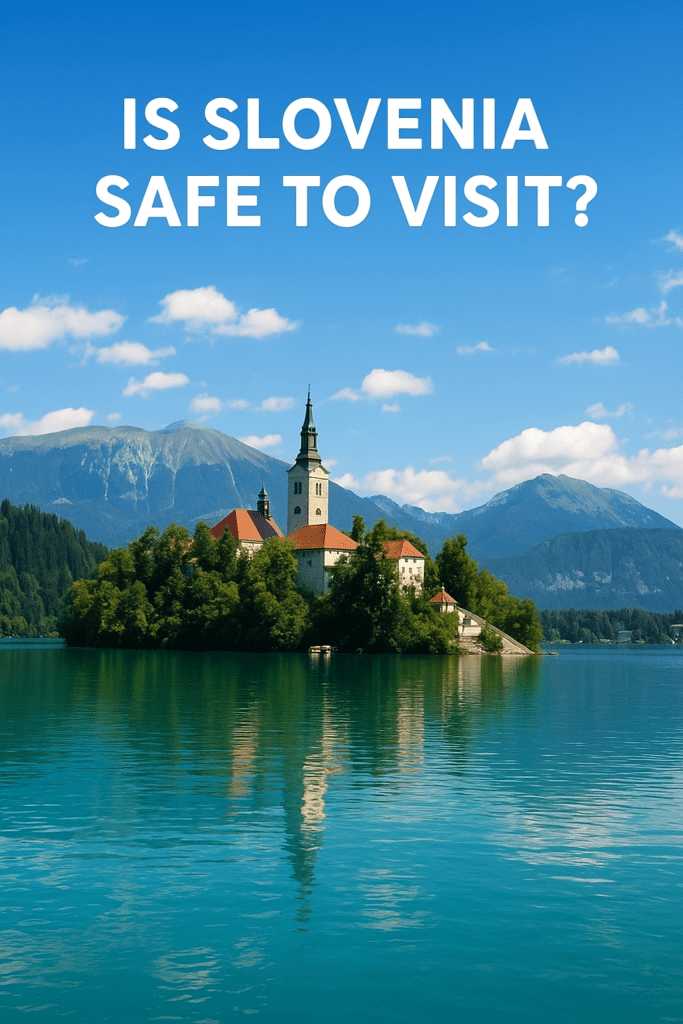
In recent years, Slovenia has become one of Europe’s most popular emerging travel destinations. Visitors come for Lake Bled, Ljubljana’s historic center, and the country’s dramatic Alpine landscapes. But with popularity comes new challenges.
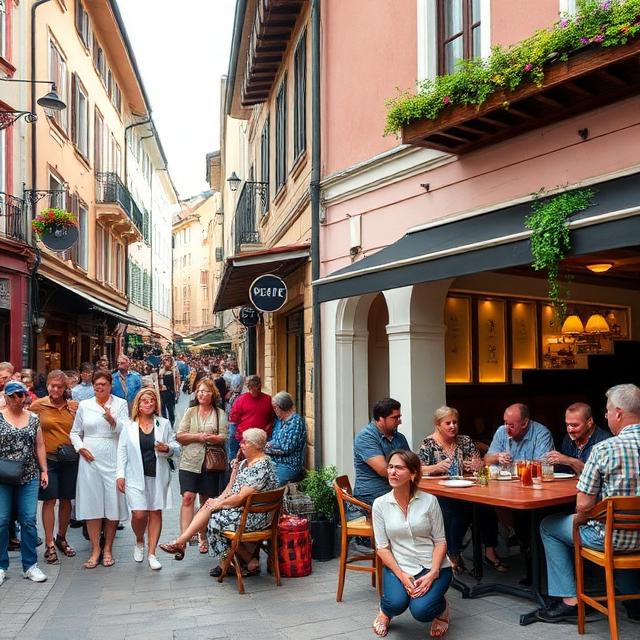
Recent discussions in Slovenian media highlight growing concerns about tourism pressure in Ljubljana. Rising accommodation prices, crowded city streets, and restaurants focusing primarily on tourists have led to debates about how tourism should develop in the future.
Many locals feel that the historic center of Ljubljana is becoming increasingly difficult to live in. Higher rents, seasonal crowds, and the shift toward tourism-driven businesses have changed the character of some neighborhoods.
At the same time, tourism remains an important part of Slovenia’s economy. The challenge is not tourism itself, but how it is managed.
Sustainable Tourism in Slovenia
This is where sustainable tourism becomes essential.
Sustainable tourism aims to balance visitor experiences with the well-being of local communities and the protection of natural landscapes. Instead of concentrating tourism in a few famous destinations, the goal is to spread visitors across different regions.
Pohorje–Kozjak Hiking Trail
A good example of this approach is the newly promoted Pohorje–Kozjak hiking trail near Maribor. According to international travel reports, including mentions in global media, this new multi-stage hiking route is among the most anticipated outdoor travel experiences of 2026.
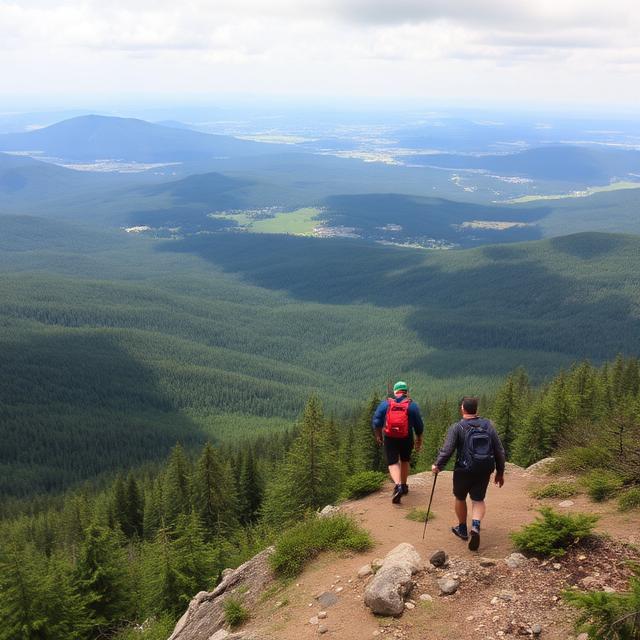
The trail begins near Maribor and crosses the forested mountains of Pohorje and Kozjak. Divided into approximately twenty stages, it allows hikers to explore waterfalls, mountain forests, alpine meadows, and traditional mountain huts.
Unlike heavily visited Alpine hotspots, the Pohorje region offers a quieter and more authentic nature experience. Visitors can enjoy multi-day hikes while supporting small local communities along the route.
The Future of Tourism in Slovenia
This kind of tourism represents the future of travel in Slovenia. Instead of focusing only on iconic destinations such as Lake Bled or the Ljubljana old town, travelers are increasingly discovering lesser-known regions.
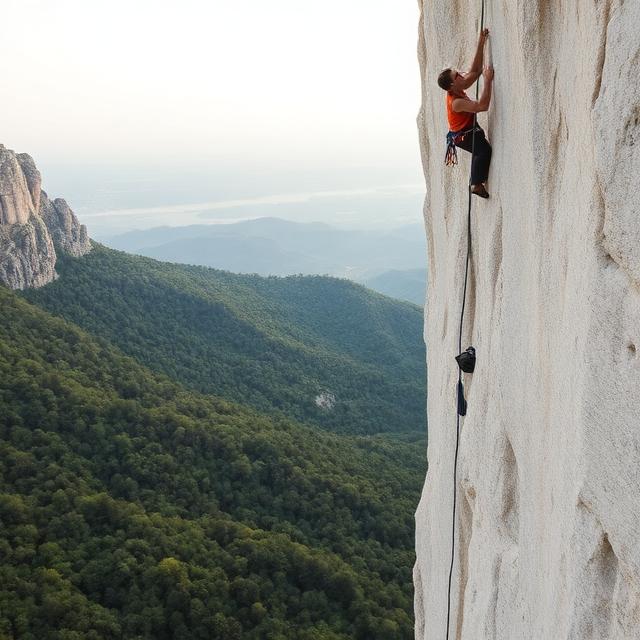
Eastern Slovenia, the Karst region, and remote Alpine valleys all offer unique landscapes, cultural traditions, and outdoor adventures.
By encouraging visitors to explore these areas, Slovenia can protect its most famous destinations while creating new opportunities for local communities.
For travelers, this also means a more authentic experience. Hiking through forests, staying in mountain huts, and discovering small villages allows visitors to experience Slovenia beyond the typical tourist routes.
Why Slovenia Is a Leading Green Destination
Slovenia has long positioned itself as a green destination. The country promotes nature protection, sustainable mobility, and eco-friendly tourism initiatives.
The growing interest in hiking, cycling, and nature travel shows that this strategy is working.
The challenge now is to continue developing tourism in a way that benefits both visitors and residents. By promoting diverse regions such as Pohorje and encouraging responsible travel, Slovenia can remain one of Europe’s leading sustainable travel destinations.
For travelers seeking authentic nature experiences, Slovenia offers something increasingly rare in Europe: wild landscapes, accessible hiking routes, and small communities that welcome visitors while preserving their way of life.

Leave a Reply