
Introduction: Slovenia Is Popular — But Something Is Breaking
Slovenia continues to attract millions of tourists each year, praised for its nature, safety, sustainability, and compact beauty. However, behind the record numbers, a serious imbalance is growing.
- Tourists increasingly feel prices are high for the quality received.
- Locals feel priced out of their own cafés and restaurants.
- Restaurant owners and hoteliers struggle with costs, staff shortages, and seasonal instability.
This article explains what is really happening in Slovenian tourism, why prices are rising, and what must realistically improve in hotels, restaurants, cafés, pubs, and the entire hospitality ecosystem.
Tourism Facts & Numbers (2024–2025)
- 6.5+ million tourists in 2024
- 16.8 million overnight stays
- 73% foreign visitors
- Average hotel night: €95–€120
- Average daily tourist spend (without hotel): €65–€75
Tourism is growing — but value perception is declining, especially compared to Austria, Italy, Spain, and Central Europe.
The Core Problem: Price vs. Quality Gap
1. Hotels: Expensive, Uneven Quality
Main Issues
- Prices rising faster than service quality
- Old interiors sold at “boutique” prices
- Staff shortages leading to weaker service
- Heavy dependence on summer peak seasons
What Must Improve
- Quality audits beyond star ratings (cleanliness, service, maintenance)
- Off-season pricing incentives
- Support for family-run hotels and guesthouses
- Real investment in staff training, not only marketing
Reality check: Tourists will pay €120–€150 per night — but only if quality matches expectations.
Restaurants: High Costs, Wrong Structure
2. Why Restaurant Prices Are So High
Key Cost Drivers
- Small purchase volumes → expensive suppliers
- Imported ingredients instead of local sourcing
- Seasonal workforce with high turnover
- Owners absent from daily operations
Many restaurants are priced for tourists only, which kills:
- Local loyalty
- Repeat business
- Long-term stability
The Solution: Realistic Food & Drink Sourcing
3. How Restaurants Can Lower Costs Without Killing Quality
A. Local Producer Cooperatives
Restaurants sourcing directly from:
- Local farms
- Fisheries
- Bakeries
- Wineries
Result: Ingredient costs reduced by 20–40%
B. Seasonal Menus (Not “Instagram Menus”)
- Smaller menus
- Seasonal dishes
- Less waste
- Faster kitchen operations
This model works in Italy, Spain, and Austria — and it can work in Slovenia.
Cafés & Pubs: Losing Locals Is a Big Mistake
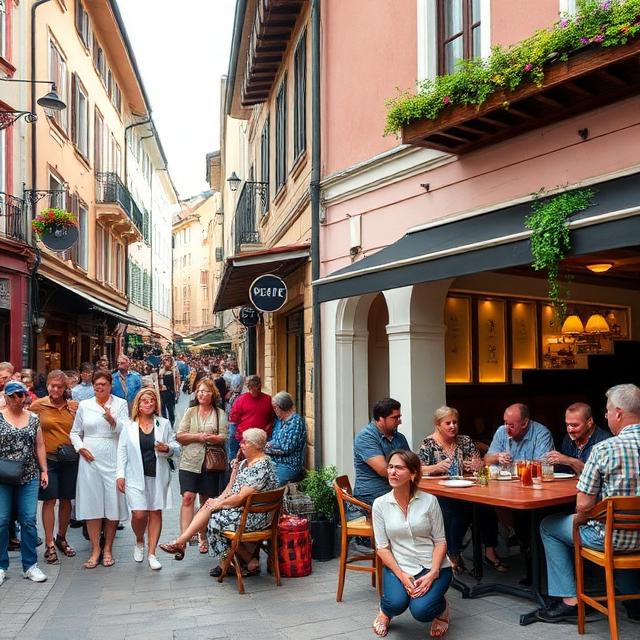
4. Coffee at Tourist Prices = Empty Cafés in Winter
Current Problems
- €3.80–€4.50 espresso in city centers
- Tourist pricing all day, all year
- Locals stop coming
What Works Better
- Local pricing in mornings & evenings
- Happy hours
- Loyalty cards
- “Local hours” pricing
Key insight: Tourists follow locals — not the other way around.
Staffing: The Silent Crisis
5. Hospitality Cannot Survive Without Skilled People
Problems
- Seasonal foreign labor with minimal training
- Burnout
- Low motivation
- Poor service consistency
Solutions
- National hospitality training programs
- Paid apprenticeships
- Career pathways (not just summer jobs)
- Better working conditions instead of only higher prices
Good service justifies higher prices. Bad service destroys value instantly.
Pricing Transparency & Trust
6. Tourists Hate Surprises — Even More Than High Prices
- Clear menus outside restaurants
- Final prices shown upfront
- No hidden service fees
- Honest portion sizes
Trust = repeat visitors.
Sustainable Tourism (The Right Way, Not Marketing)
Sustainability must also include:
- Economic sustainability for locals
- Affordable access for residents
- Balanced regional development
Smart Moves
- Promote less-known regions
- Strengthen off-season tourism
- Improve public transport access
- Limit overcrowding instead of endless expansion
What a Healthy Tourism Model Looks Like
- ✅ Realistic prices
- ✅ Quality that matches cost
- ✅ Locals eating where tourists eat
- ✅ Owners involved in daily operations
- ✅ Strong local supply chains
- ✅ Skilled, respected hospitality workers
This is how Austria, Northern Italy, and parts of Spain succeed long-term.
Final Conclusion: Growth Alone Is Not Success
Tourism in Slovenia is not failing — but it is at a crossroads.
Without changes:
- Prices will rise
- Quality will stagnate
- Locals will disengage
- Tourists will compare — and choose elsewhere
With smart improvements:
- Prices stabilize
- Quality improves
- Restaurants survive year-round
- Tourism benefits everyone
Slovenia has everything needed to succeed — but the system must shift from fast profit to long-term value.
Leave a Reply