

Sweet Indulgence: Discovering Slovenia’s Famous Sladki Muškat
When you think of green Slovenia, historic castles, emerald rivers, and breathtaking alpine peaks probably come to mind. But for wine lovers, Slovenia holds another treasure—this one poured straight into a glass. If you have a sweet tooth and a passion for unique travel experiences, there is one wine you absolutely cannot miss during your visit: Sladki Muškat (Sweet Muscat).
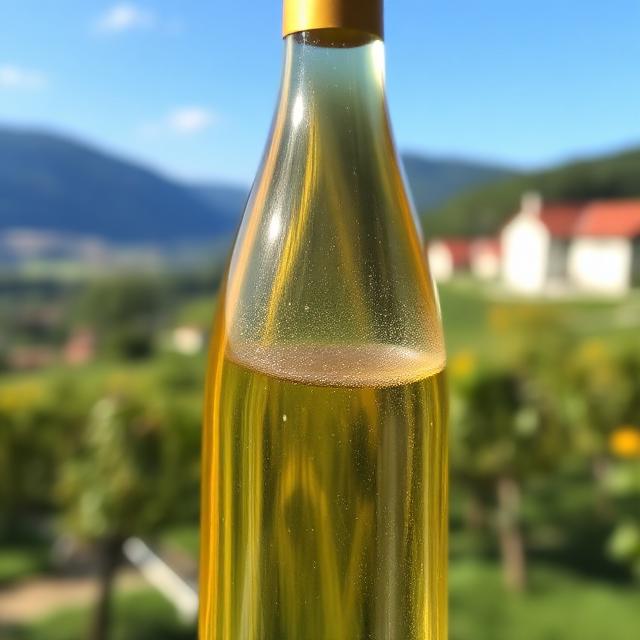
This aromatic, golden nectar is more than just a dessert wine; it is a sip of Slovenian sunshine, history, and coastal tradition. Here is everything you need to know about the history, origin, and fascinating facts behind Slovenia’s favorite sweet wine.
The Origins: A Vine as Old as History
The story of Sladki Muškat begins with the Muscat Blanc à Petits Grains grape (locally known as Rumeni Muškat or Yellow Muscat when dry, and crafted into Sladki Muškat when sweet). This is widely considered by ampelographers (wine historians) to be one of the oldest domesticated grape varieties in human history.
- Ancient Mediterranean Roots: Historical records suggest the grape originated in the ancient Mediterranean, likely spread by the Greeks and Phoenicians.
- The Roman Connection: The Romans fell in love with its sweet, bee-attracting aroma. Pliny the Elder wrote about a highly aromatic grape variety called Uva Apiana (the “grape of the bees”) because bees could not resist its sweet scent. Wine historians believe this was the direct ancestor of today’s Muscat.
How Muscat Found its Haven in Slovenia
While Muscat grapes grow across Europe, they found a truly magical terroir in the coastal region of Slovenian Istria (Slovenska Istra).
Centuries ago, under the influence of the Venetian Republic, maritime trade brought premium grape clones to the northern Adriatic. The sub-Mediterranean climate of the Slovenian coast—characterized by warm sun, sea breezes, and flysch soil—proved to be perfect for this delicate vine.
The sea breeze helps keep the grapes dry, preventing rot, while the intense sun concentration allows the sugars to skyrocket, creating the perfect base for a natural, unfortified sweet wine. Today, the most famous and widely recognized producer of this specific style is Vinakoper, a winery that has championed the coastal wine identity since 1947.
3 Fascinating Facts About Sladki Muškat
To help you impress your friends at your next wine tasting, here are three fun historical and cultural facts about this Slovenian favorite:
1. It’s an “Alcohol Light” Crowd Pleaser
Unlike heavy, fortified dessert wines like Port or Sherry, Slovenian Sladki Muškat is beautifully light. It usually sits at a gentle 10% to 11% alcohol by volume. This makes it incredibly refreshing, crisp, and easy to drink on a warm summer evening on the coast of Piran or Izola.
2. The Wine of “Liquid Honey and Roses”
Muscat is one of the very few wine grapes where the wine actually smells and tastes exactly like the fresh grape itself. Sladki Muškat is famous for its “primary aromas”—meaning when you stick your nose in the glass, you are hit with an intense burst of fresh muscat grapes, cvetlični med (flower honey), candied orange peels, and white jasmine flowers.
3. It’s the Ultimate Slovenian Celebration Wine
In Slovenian households, opening a bottle of Sladki Muškat is a sign of hospitality and celebration. While wine experts love complex dry wines, Sladki Muškat is the undisputed champion of family gatherings, birthdays, and holidays, usually served alongside traditional Istrian pastries like kroštule or a fresh slice of potica.
Travel Tip: How to Enjoy It Like a Local
If you are planning a trip to Slovenia, don’t just order a glass; experience it the right way:
- The Temperature is Key: Always serve it well-chilled, between 9°C and 11°C. If it’s too warm, the sweetness becomes overpowering.
- The Perfect Pairing: Order it at the end of your meal with a light cheese plate, a vanilla-based dessert, or fruit-based tarts.
- Where to find it: You can taste it directly at the source in the Vinakoper wine cellar in Koper, or find it in almost any local restaurant and supermarket across Slovenia.
Slovenia’s wine culture is a hidden gem waiting to be poured. On your next trip, make sure a glass of chilled, golden Sladki Muškat is at the very top of your culinary bucket list!

Leave a Reply