Slovenia is currently experiencing its most successful tourism year in history, driving record-breaking arrivals and overnight stays across the country SURS. While major hotels in hotspots like Bovec, Bled, and Piran are entirely booked out, the true winners of this historic season are local landowners.
The secret to capitalizing on this boom lies in solving critical infrastructure pain points—specifically parking and green accommodation—and turning simple daily farm activities into premium experiences, even if you do not speak a word of English.
This comprehensive, step-by-step guide outlines four high-utility business models designed for Slovenian locals to deploy immediately.
1. The “Green Parking & Rest Stop” Model
The Problem: Tourist vehicles are choking narrow valley roads, and towns lack adequate parking.
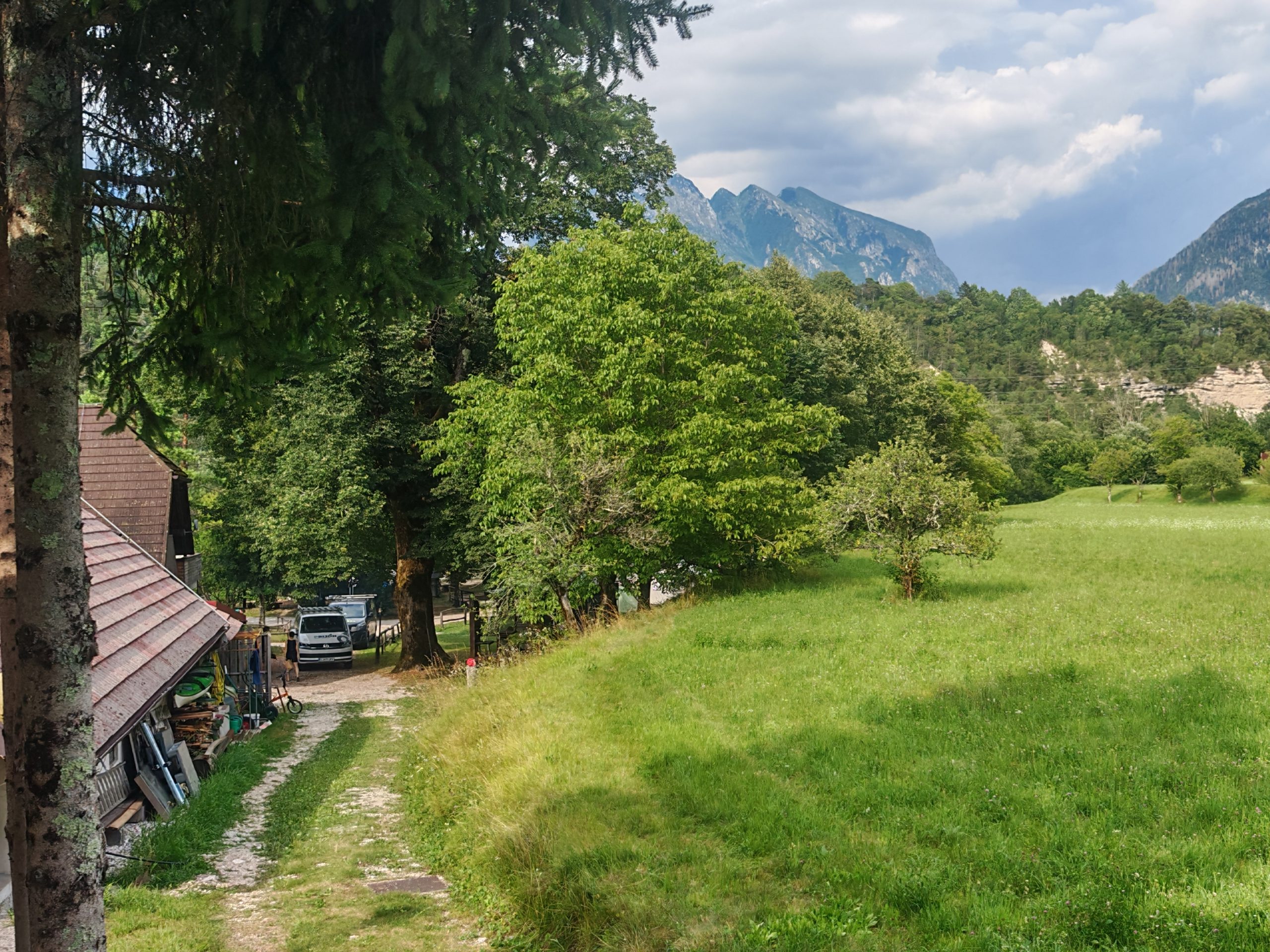
The Solution: Turn an unused field or plot of land near popular trails or rivers into a paid, eco-friendly parking lot that doubles as a micro-income stream.
Required Investment & Setup:
- Preparation: Clear and level a grassy or gravel plot (avoid asphalt to maintain a “green” look).
- Payment Infrastructure: Install a simple wooden lockbox for cash payments (honesty box) or set up a prominent QR code linked to a digital payment platform (like EasyPark or a local bank transfer app).
- Signage: Place a clear sign at the entrance reading: “Private Parking – €X/Day. Secure Your Spot.”
Step-by-Step Action Ritual:
[Self-Park & Scan] ➔ [The Welcome Signpost] ➔ [Optional Add-on Sale]
- The Frictionless Arrival: The tourist pulls off the crowded main road onto your designated gravel grid. They instantly feel relief at finding an available spot. They park, walk over to the central wooden board, and scan the QR code to pay a flat daily rate (e.g., €10–€15 per day).
- The Informational Anchor: Next to the payment QR code, display a high-quality, hand-drawn laminated map pointing toward local landmarks, secret swimming holes, or hiking paths. This builds immediate goodwill.
- The Unattended Upsell: Place a small, shaded wooden cart next to the parking exit containing cold bottled spring water, home-brewed elderflower syrup, or fresh seasonal fruits. Include a second “honesty box” or QR code for these items. Tourists walking by to start their hike will gladly pay €2–€3 for fresh refreshments.
2. The Micro-Glamping “Drvene Kućice” Network
The Problem: Foreign visitors are searching for authentic, secluded mountain stays, but traditional hotel developments face heavy regulatory delays and high costs.
The Solution: Erect 1 to 3 small, eco-friendly prefabricated wooden cabins (drvene kućice) on private land, utilizing fast-tracked permits for non-residential agricultural outbuildings where applicable.
Required Investment & Setup:
- The Structure: A minimalist, locally sourced spruce or larch wood A-frame cabin housing only a premium mattress, panoramic window, and basic insulation.
- Amenities: An outdoor, eco-friendly compost toilet and a solar-powered canvas shower to keep plumbing installation costs near zero.
- Booking: List the property on Airbnb under experiential keywords like “Off-Grid Slovenian Wood Cabin” or “Soča Valley Stargazing Hut.”
Step-by-Step Action Ritual:
[The Visual Arrival] ➔ [The Welcome Basket] ➔ [The Stargazing Ritual]
- The Visual Arrival: Guests arrive at sunset. The cabin is minimalist but perfectly positioned to face a mountain peak or vineyard view. Solar-powered fairy lights turn on automatically, creating an instant photo opportunity for their social media.
- The Zero-Contact Welcome: Instead of a complex check-in, guests find the cabin unlocked with a handwritten note in English: “Welcome to your slice of Slovenia.” Next to the note is a woven basket filled with local delicacies: freshly baked bread, local honey, and a bottle of regional wine. This high-margin touch cost you €15 but justifies a €120+ nightly room rate.
- The Nighttime Experience: Provide two high-quality outdoor deck chairs and a wool blanket next to a designated fire pit. The focus of the stay is shifted entirely away from luxury indoor amenities and placed onto the natural outdoor environment.
3. The “Gastro-Predah” E-Bike Charging Station
The Problem: Cyclists navigating Slovenia’s hilly terrain frequently run out of battery mid-journey, far from commercial town centers LENA.
The Solution: Provide a safe, free charging point on your property Turvec, using the 45-minute battery top-up window to sell fixed-price, homemade lunch platters Velogalaxie.
Required Investment & Setup:
- Hardware: Install a weather-protected outdoor electrical outlet socket or a dedicated e-bike charging block (such as a LiON Box) ONgineerbike-energy.
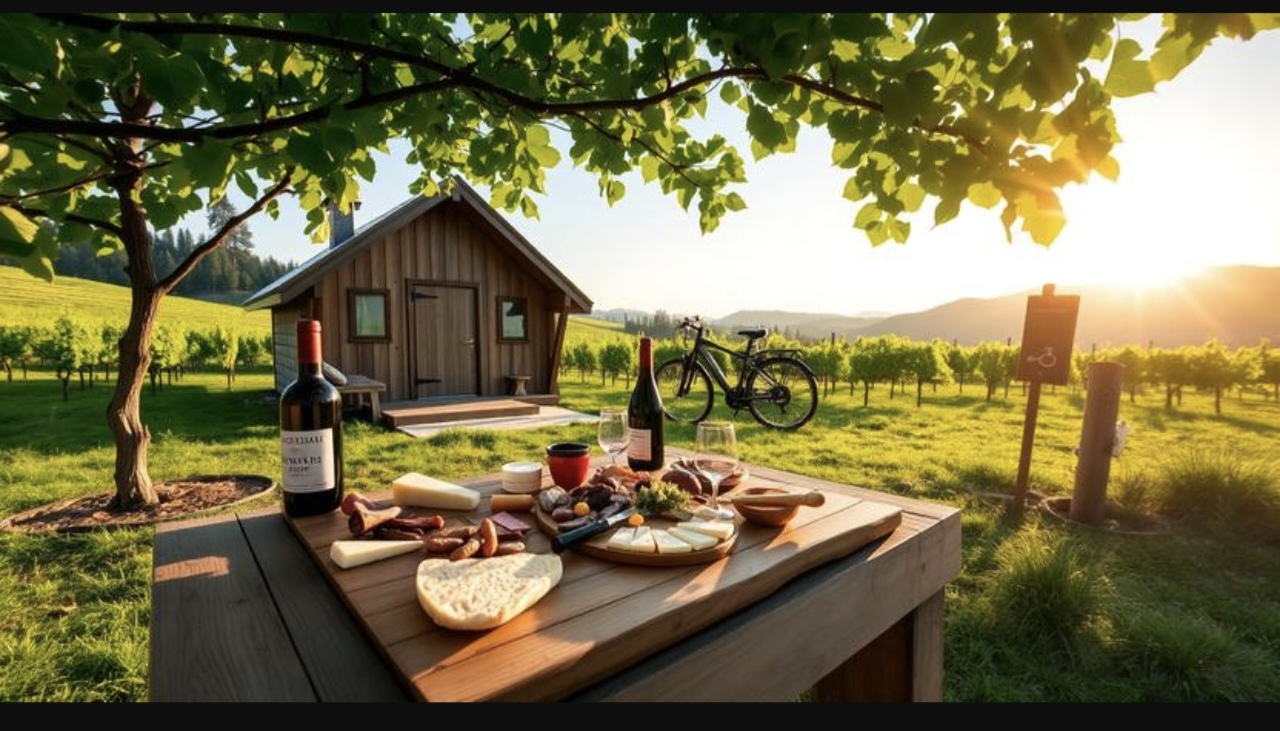
- Seating: Set up a heavy timber picnic table under a shaded tree or pergola.
- Visibility: Pin your location on major cycling navigation apps (like Komoot, Outdooractive, or Google Maps) as an “E-Bike Charging Station & Farm Stop” Ecobnb[EV Connect](evconnect.com.
Step-by-Step Action Ritual:
[Docking & Power-Up] ➔ [The Shaded Transition] ➔ [The Fixed-Menu Feast]
- Docking & Power-Up (Minutes 0–5): The cyclist rides into your yard following your roadside sign Turvec. You greet them with a simple nod and wave toward the charging station cyseekinbike. They plug in their battery pack Velogalaxie. You verbally confirm the connection: “Power OK!” Velogalaxie[Bolt.earth](bolt.earth]
- The Shaded Transition (Minutes 5–10): Now tied to the location for the next 45 minutes while their bike charges, you escort them to the shaded picnic table Velogalaxie. You point to a small wooden chalkboard on the table showing the fiksna ponuda (fixed menu) available today.
- The Fixed-Menu Feast (Minutes 10–45): You serve a uniform “Slovenian Farmer’s Platter” requiring zero on-the-spot cooking: cured meats, hard mountain cheeses, pickled vegetables, house-baked sourdough bread, and a pitcher of cold apple juice.
- The Departure (Minutes 45–50): The electricity used costs you less than €0.50, but the fixed meal price is billed at €18–€22 per cyclist. They pay cash or card, unplug their fully charged bike Velogalaxie, and continue their trip.
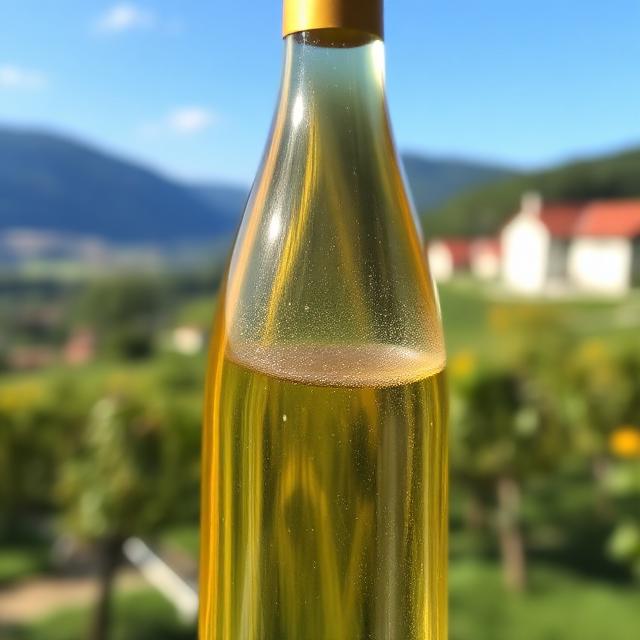
4. The 2-Hour “Silent Vineyard” Experience
The Problem: Local wine growers have breathtaking vineyard properties but avoid hosting lucrative foreign tours because they cannot speak English, French, or German.
The Solution: Replace long verbal presentations with tactile, sensory actions and an innovative multilingual “Storybook.”
Required Investment & Setup:
- The Storybook: Print a compact, laminated A4 flipbook containing family archive photos and brief explanations of your winemaking process, translated clearly into English, German, and Italian.
- Station Layout: Place four rustic wooden signs numbered 1, 2, 3, and 4 at distinct locations across your vineyard plot.
Step-by-Step Action Ritual (120-Minute Timeline):
[00:00 - Station 1: The Soil] ➔ [00:20 - Station 2: The Harvest] ➔ [00:50 - Station 3: The Cellar] ➔ [01:20 - Station 4: The Tasting]
- 00:00 – 00:20 (Station 1 – Earth & Roots): Hand the arriving guests a glass of cold sparkling wine and open the Storybook to page one. While they read the history of your family estate in their own language, pick up a handful of rich soil from the vineyard floor, crumble it between your hands, and pass it to them to feel and smell. The connection to the earth requires no translation.
- 00:20 – 00:50 (Station 2 – The Vine Handover): Walk down the grapevine rows to Station 2. Take a pair of pruning shears or a harvesting knife from your belt. Demonstrate a clean, single cut on a branch or grape cluster using slow, deliberate movements. Hand the tool to the guest and gesture with an open palm: “You try.” Guests love this active immersion and will immediately take photos.
- 00:50 – 01:20 (Station 3 – The Echoing Cellar): Guide them down into the dark wine cellar (Station 3). Turn off any electric lights and light a single candle for atmosphere. Knock firmly on a large oak barrel to demonstrate its scale. Use a glass wine thief to siphon fresh wine directly out of the barrel into their glasses. The sound of pouring wine echoing in a silent room is an incredibly powerful sensory tool.
- 01:20 – 02:00 (Station 4 – The Tasting Interaction): Sit at a rustic table under the grapevine canopy (Station 4). Serve local cheese and cold cuts alongside three bottled wines. Place simple index cards on the table printed with three key structural terms in their language: Body, Aroma, and Sweetness, alongside a scale of 1 to 5 stars. You and the guests rate the wine together by simply pointing to the stars and using hand gestures.
The Financial Result: Tourists leave feeling they had an incredibly unique, authentic encounter. They purchase multiple bottles of your highest-margin wine directly from the source, and you generate significant revenue without needing to speak a single sentence of a foreign language.