
Slovenia’s historic 2026 tourism surge has hit a critical bottleneck: severe traffic chaos. Major landmarks like the Škocjan and Postojna Caves report an 18% year-on-year growth in visitors, but gridlocked motorways (A1 and A2) and unexpected accidents routinely delay arrivals, disrupting daily logistics [Forbes Slovenija]. Furthermore, public transit networks leave massive gaps for travelers trying to reach alpine destinations like Bovec or remote cave networks.
For strategic local entrepreneurs, this infrastructure crisis is a premium opportunity. If you can transport tourists efficiently through these bottlenecks, you own the most valuable service of the season.
This master blueprint details three private-transit business models local Slovenians can launch immediately, written from A to Z with exact operational rituals.
1. The “Traffic-Smart” Private Shuttle Operator (The Cargo-Logistics Model)
The Concept: A flexible, point-to-point 8-passenger shuttle service targeting specific tourist corridors (e.g., Ljubljana Airport to Bovec) that utilizes active dispatching to bypass highway gridlock via regional backroads.
The Hardware & Software Stack
- Fleet: High-top 8-passenger vans (e.g., Renault Master, Ford Transit) requiring a standard Category B license.
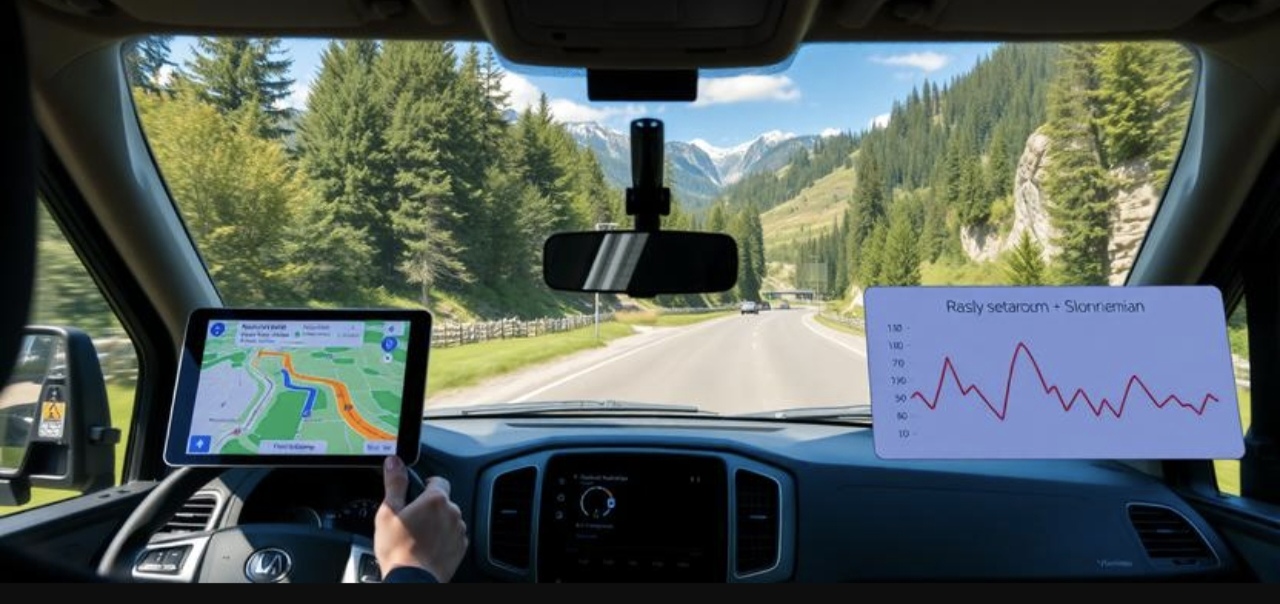
- The Dispatch Cockpit: A tablet mounted on the dashboard running a professional multi-routing app (such as Waze combined with Promet.si RSS feeds) managed by a central dispatcher or a smart automated script.
[09:00 - Predictive Alert] ➔ [09:15 - Automated Guest Check-In] ➔ [10:00 - The Regional Bypass]
The Detailed Step-by-Step Ritual
- The Predictive Dispatch (09:00 AM): Your central monitoring system detects a 45-minute delay forming on the A1 motorway near Postojna. Instead of waiting for the van to get stuck, the dispatcher updates the vehicle’s route remotely.
- The Automated Guest Check-In (09:15 AM): While the guests are waiting at the pickup hub, your system triggers an automated, personalized WhatsApp/SMS notification to their phones:“Hello from Trips to Slovenia! We monitor live highway logistics. Due to an accident on the main motorway, your driver is switching to our certified Alpine Scenic Route (regional roads). Your guaranteed arrival time remains unchanged. Relax and enjoy the views.”
This immediately eliminates guest anxiety and builds elite brand trust. - The Dynamic Routing Execution (10:00 AM): The driver arrives at the highway exit ramp. Instead of joining the gridlock, they exit immediately onto the pre-planned regional road (e.g., R741). The driver keeps a steady pace through local villages, completely bypassing the standstill highway traffic. The guests arrive on time, feeling like VIPs who beat the system.
2. The Rural Rideshare Network with Automated Translation Integration
The Concept: A hyper-local, on-demand dispatch platform mobilizing village residents with private cars to pick up tourists stranded at rural train/bus stations and drive them to final holiday destinations.
The Hardware & Software Stack
- The Dispatch Software: A white-label app platform (like TaxiCaller) running a lightweight web app accessible via QR codes.
- The Translation Engine: Every vehicle is equipped with a dedicated, dashboard-mounted tablet running a dual-mic, split-screen live translation application (such as Google Translate Dialogue Mode or a custom-mapped DeepL Voice API interface) connected to the car’s Bluetooth audio system.
[Arrival at Hub] ➔ [QR Scan & Match] ➔ [The Automated Translation Welcome] ➔ [In-Route Dialogue]
The Detailed Step-by-Step Ritual
- The Hub Catchment: International tourists take the train to regional stations like Divača or Most na Soči. They step off the train and realize there are no local buses or traditional taxis available to take them to the caves or into Bovec.
- The QR-Code Hail: The tourist spots your prominent, weather-proof roll-up banner on the train platform: “Stuck here? Scan to hail a local Trips to Slovenia driver instantly.” They scan the QR code, select their destination, and the platform dispatches a nearby registered local village driver.
- The Automated Translation Welcome (The Boarding Ritual): The tourist enters the car. The local Slovenian driver (who speaks zero English or French) taps a prominent green button on the dashboard tablet. The tablet instantly broadcasts through the car speakers in the guest’s native language (detected from their app profile):“Welcome! I am Janez, your local driver. I will take you safely to your destination. Please fasten your seatbelt.”
- The Real-Time In-Route Dialogue: If the guest asks a question during the ride (“Can we stop at a supermarket quickly?”), the car’s overhead microphone picks up the audio. The tablet instantly translates the French speech into Slovenian text on the driver’s screen. The driver responds naturally in Slovenian: “Seveda, ustavili se bomo čez dve minuti.” The tablet instantly broadcasts back to the guest in fluent French: “Of course, we will stop in two minutes.” The language barrier is completely eliminated through real-time technology.
3. The “Last-Mile” Panoramic Transit Loop
The Concept: A high-frequency, municipal-partnered private shuttle loop that shifts tourist cars away from congested natural parks into organized perimeter parking zones.
The Hardware & Software Stack
- Vehicles: Leased open-air panoramic mid-buses or low-emission electric shuttle passenger vans.
- Infrastructure: A simple leased gravel field located 7–10 kilometers outside a major environmental hotspot (like a waterfall entrance, alpine gorge, or cave park).
[Perimeter Intercept] ➔ [Color-Coded Boarding] ➔ [Monetized Audio Cruise]
The Detailed Step-by-Step Ritual
- The Perimeter Intercept: Two kilometers before reaching the congested natural site, tourists encounter clear traffic management signs: “Hotspot Parking Full. Turn Right for Express Panoramic Shuttle.” The tourist pulls into your spacious, stress-free gravel parking lot and pays a flat €10 fee via an automated barrier or EasyPark QR code.
- The Color-Coded Boarding Ritual: To prevent chaotic crowds on the platform, your terminal uses a foolproof color system. Upon parking, the guest’s digital or paper ticket displays a specific color (e.g., Green Loop). When the Green panoramic bus arrives every 15 minutes, only Green ticket holders board. This eliminates lines, pushing, and customer frustration.
- The Monetized Audio Cruise: During the 12-minute ride to the nature site, the bus plays a synchronized, GPS-triggered audio guide through headphones or speakers in multiple languages. The audio guide states:“On your left, you can see the Kosmač family farm shop. Flash your shuttle ticket there later for a 10% discount on homemade honey and cheese.”
You charge local farmers a premium advertising fee to be featured on this audio loop, creating a secondary, passive revenue stream for your business.
📢 Call to Action: Let’s Build an Unstoppable Eco-System
A decentralized, privately-led transit network is the fastest way to dissolve Slovenia’s traffic crisis without waiting years for massive road building projects. Local entrepreneurs have the vehicles and the land; our visitors have the urgent demand.
We urge Slovenia’s leading tourism policymakers and regional development key authorities to collaborate with local micro-mobility pilots and fast-track permits for private perimeter parking:
- Slovenian Tourist Board (STO): Under the leadership of Maja Pak Olaj, the national strategy focuses heavily on green, high-value, and digitalized experiences. Private micro-shuttles fit this vision perfectly.
- Ministry of Infrastructure: Led by Minister Alenka Bratušek, the ministry handles national transit gaps. Integrating localized private fleets at remote train stations solves the critical “last-mile” missing link.
- Local Municipalities (Občine): Mayors of highly impacted hotspots—such as Valter Mlekuž (Mayor of Bovec)—hold the power to lease remote municipal lands to locals establishing eco-friendly parking loops.
Are you a local landowner or van owner ready to launch? Leave a comment below or contact us at Trips to Slovenia to get access to our white-label software setup guides and municipal application templates!